

Call us: +86 17370954995
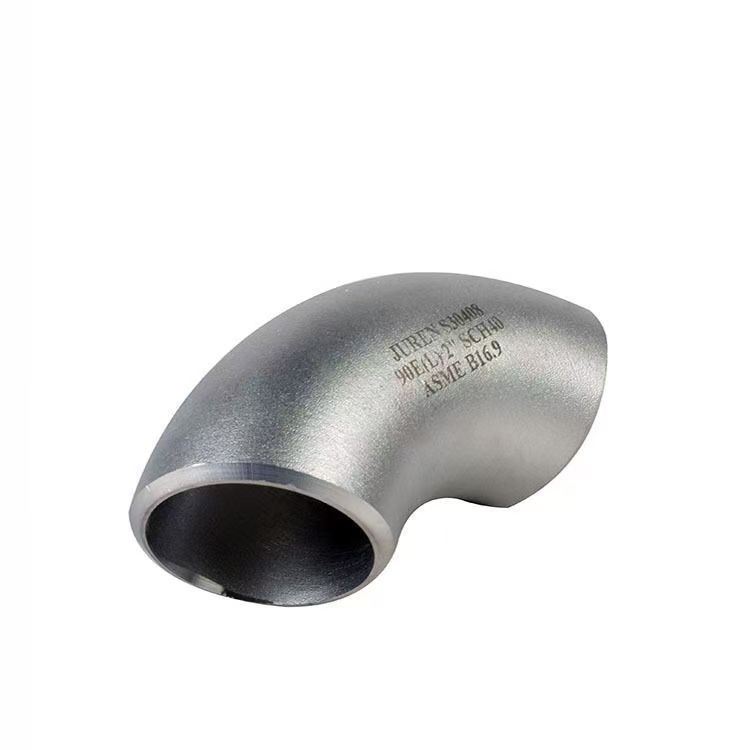

Pipe elbows are one of the most fundamental components in industrial piping systems, designed to change the direction of fluid flow while maintaining structural integrity and efficiency. Whether you’re working in oil & gas, petrochemical, power generation, or water treatment, understanding elbows is critical to designing reliable piping systems
- What is a Pipe Elbow?
A pipe elbow is a curved fitting used to connect two straight pipe sections, typically at angles of 45°, 90°, or 180° (return bend). It allows pipelines to navigate around obstacles, adjust elevation, or change direction without disrupting flow or compromising pressure resistance.
Elbows are manufactured from a wide range of materials to suit different operating conditions, including:
- Carbon steel (A234 WPB, A105)
- Stainless steel (304, 316)
- Alloy steel (P11, P22)
- Duplex steel
- Nickel alloys
- Common Types of Pipe Elbows
By Angle
- 90° Elbow: The most widely used type, for sharp direction changes.
- 45° Elbow: For gradual direction changes, reducing flow resistance.
- 180° Elbow (Return Bend): Used to reverse flow direction, common in heat exchangers and U-bend piping.
By End Connection - Butt-Weld Elbows: Welded directly to pipes, ideal for high-pressure/high-temperature systems.
- Socket-Weld Elbows: Socketed into pipes and fillet-welded, suitable for smaller diameters (≤ 2″).
- Threaded Elbows: NPT/BSP threaded ends, used in low-pressure, small-bore applications.
By Radius
- Long Radius (LR) Elbow: Centerline radius = 1.5 × pipe diameter (R = 1.5D), gentler curve, lower pressure drop.
- Short Radius (SR) Elbow: Centerline radius = 1 × pipe diameter (R = 1D), more compact, higher flow resistance.
- Key International Standards
Elbows must comply with global standards to ensure compatibility and performance:
- ASME B16.9: Factory-made wrought butt-welded fittings (most common for industrial use).
- ASME B16.11: Forged socket-weld and threaded fittings.
- EN 10253-1/2: European standard for butt-welded and socket-welded fittings.
- JIS B2311/2312: Japanese standards for carbon steel and stainless steel elbows.
- GB/T 12459: Chinese national standard for butt-welded steel pipe fittings.
- Critical Selection Considerations
When choosing the right elbow for your project, keep these factors in mind: - Material Compatibility: Match the elbow material to the pipe and fluid to avoid corrosion or material failure.
- Pressure & Temperature Rating: Ensure the elbow can withstand the system’s operating conditions (refer to standard pressure-temperature tables).
- Flow Efficiency: Long radius elbows minimize turbulence and pressure loss, making them preferred for most process piping.
- Space Constraints: Short radius elbows save space but increase flow resistance, suitable for tight installations.
- End Connection: Butt-weld for high-pressure systems, threaded/socket-weld for smaller, low-pressure lines.
- Installation & Maintenance Best Practices
- Proper Alignment: Ensure the elbow is aligned correctly with the pipe to avoid stress concentrations and leaks.
- Welding Quality: For butt-weld elbows, use qualified welders and follow standard welding procedures (e.g., ASME IX).
- Inspection: Regularly check for corrosion, erosion, or cracks, especially in high-flow or corrosive environments.
- Support: Provide adequate pipe supports near elbows to prevent sagging and stress on the welds.
- Why Choose Aosendik Elbows?
At Authrntic, we manufacture high-quality pipe elbows that meet the strictest international standards (ASME, EN, JIS, GB). Our advantages include:
- Premium Materials: Sourced from trusted steel mills, with full material test reports (MTR).
- Precision Manufacturing: Advanced forging and machining ensure dimensional accuracy and consistent quality.
- Full Product Range: Available in all angles, radii, materials, and sizes (DN 15 to DN 2000).
- Fast Delivery: Ample inventory of standard elbows allows for quick order fulfillment, even for urgent projects.
- Custom Solutions: We can produce custom elbows for unique project requirements.
Conclusion
Pipe elbows are small but essential components that keep industrial piping systems running smoothly. By selecting the right type, material, and standard, you can ensure the longevity, efficiency, and safety of your pipeline.
If you have questions about choosing the right elbow for your project or need a custom quote, contact our engineering team today. We’re here to help you find the perfect piping solution.