

Call us: +86 17370954995
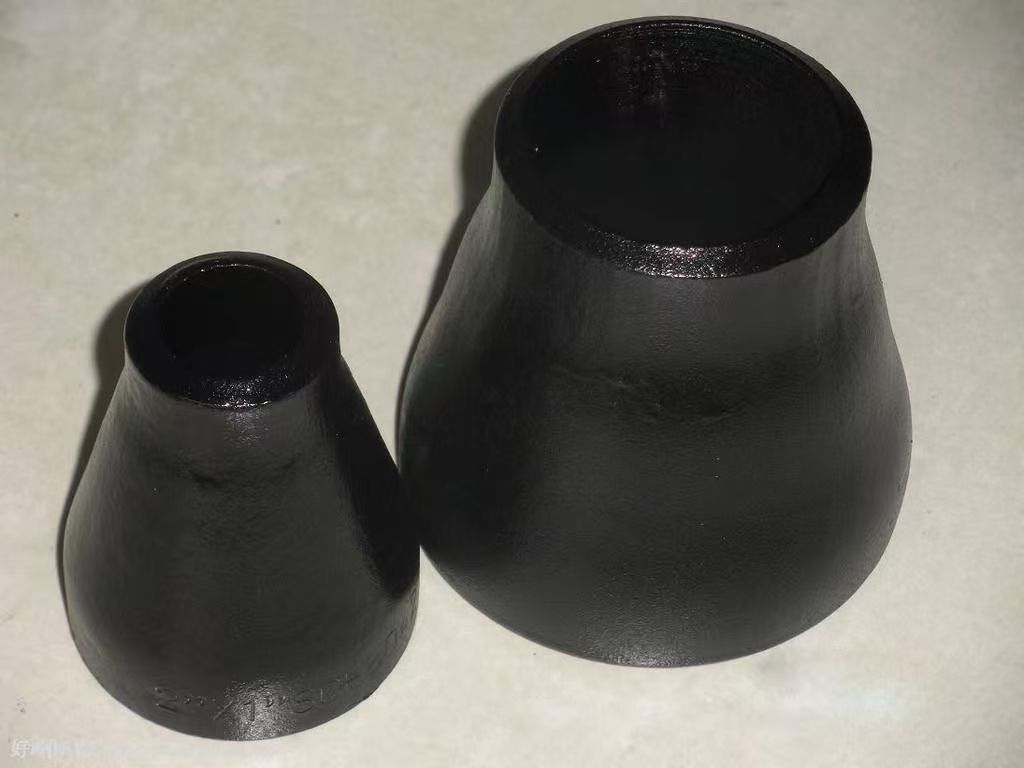

A reducer is a small but essential component in almost every piping system. It connects pipes of different diameters and keeps flow moving smoothly through a change in size. Yet because it looks simple, many buyers overlook the details that affect performance, installation, and long-term reliability.
This guide explains the basics of reducers and what to check before you place an order.
1. Start with the Two Main Types of Reducer
There are two common styles of pipe reducer:
- Concentric reducer — both ends share the same centerline. It is often used in vertical piping or where a straight, symmetrical transition is required.
- Eccentric reducer — the two ends have offset centerlines, with one side flat. It is commonly used in horizontal piping to prevent trapped air or fluid, especially in pump suction lines.
Choosing the right type depends on the pipe orientation and the fluid you are transporting. If you are unsure, send your system layout to the manufacturer and ask for a recommendation.
2. Match the Reducer to Your Pipe Standard
A reducer must fit the pipes on both sides. Make sure you specify the correct standard:
- ANSI / ASME B16.9 for butt-weld reducers
- ANSI / ASME B16.11 for socket-weld and threaded reducers
- DIN, EN, JIS, or GB standards for non-US projects
Also confirm the connection type: butt weld, socket weld, or threaded. This affects installation, welding requirements, and final cost.
3. Choose the Right Material
The reducer material should match or exceed the connected pipe material. Common options include:
- Carbon steel — ASTM A234 WPB, widely used for general industrial service
- Alloy steel — ASTM A234 WP5, WP9, WP11, WP22 for high-temperature applications
- Stainless steel — ASTM A403 WP304, WP316 for corrosive environments
Always check the material grade, not just the general material name. The grade determines pressure-temperature rating and chemical resistance.
4. Specify Size and Schedule Correctly
A reducer is described by its large end, small end, and wall thickness. For example:
- 6″ × 4″ SCH40
- 8″ × 6″ STD
If the two ends have different wall thicknesses, state both clearly, such as 6″ SCH40 × 4″ SCH80. Missing this information is one of the most common causes of ordering errors.
5. Don’t Forget the Surface and Testing Requirements
Depending on the application, your reducer may need:
- Rust-preventive oil or painted surface
- Galvanized coating
- Material test certificates (MTC)
- Radiographic or ultrasonic testing
- Third-party inspection
List these requirements in your RFQ so the factory can quote accurately and avoid later misunderstandings.
6. Questions to Ask a Reducer Manufacturer
Before ordering, send these questions to your supplier:
- Do you produce the reducer type, standard, and material we need?
- Can you provide a drawing or specification sheet before production?
- What is the typical lead time for our quantity?
- Can you supply material certificates and test reports?
- Do you accept small trial orders or samples first?
A professional manufacturer will answer clearly and quickly. That is a good sign for long-term cooperation.
Order the Right Reducer from the Start
A correctly specified reducer keeps your piping system efficient and avoids costly rework. Whether you need a standard size or a non-standard dimension, providing complete information at the beginning will save time and reduce risk.
Contact us with your reducer size, schedule, material, standard, and quantity. We’ll help you confirm the specifications and provide a competitive quotation.